Category: Consumer Protection

  • How to Spot and Report Consumer Scams

    How to Spot and Report Consumer Scams

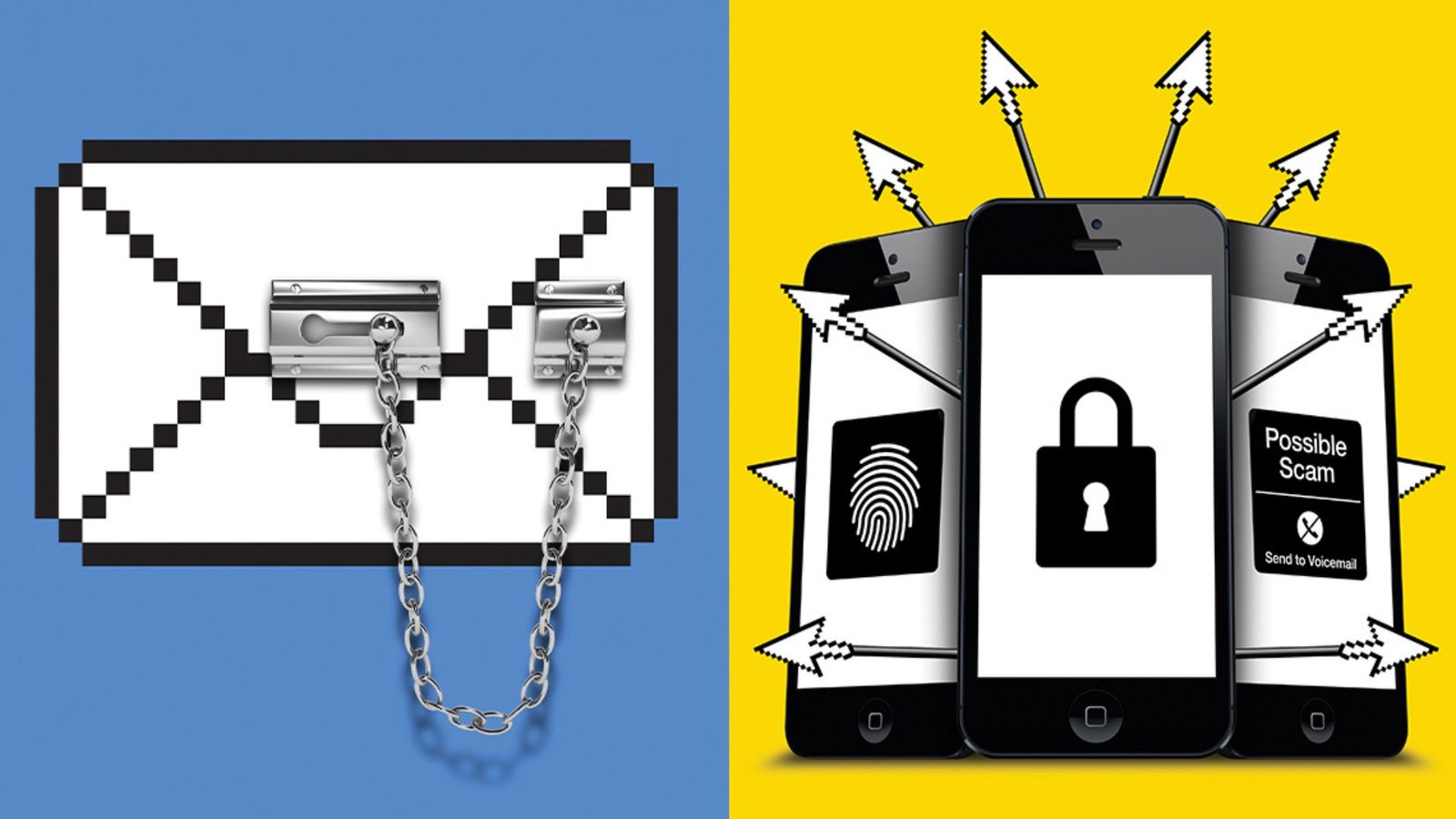
    In today’s digital world, consumer scams are more prevalent than ever. Scammers are constantly finding new ways to deceive unsuspecting individuals into giving up personal information, money, or both. Learning how to spot these scams and knowing what to do if you fall victim to one is crucial for protecting yourself and your financial well-being. In this article, we’ll explore how to recognize common scams and the steps to take in order to report them.

    1. Common Types of Consumer Scams

    Understanding the most common types of scams can help you recognize red flags before falling victim to them. Some of the most widespread consumer scams include:

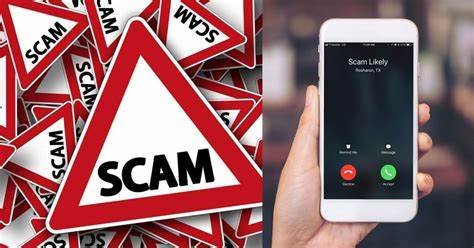
    Phishing Scams: These scams often come in the form of emails, phone calls, or text messages that appear to be from a legitimate source, like a bank or online retailer. They trick you into providing sensitive information such as passwords, credit card numbers, or Social Security numbers.

    Lottery or Prize Scams: Scammers may contact you claiming that you’ve won a prize or lottery, but they ask for an upfront payment or personal information before you can claim your winnings.

    Online Shopping Scams: With the rise of online shopping, scammers are increasingly setting up fake websites that look legitimate but are designed to steal your credit card information or never send the items you ordered.

    Tech Support Scams: These scams involve fraudsters claiming to be from a well-known tech company, like Microsoft or Apple, telling you that your computer has a virus. They then ask for remote access to your device or request payment for unnecessary services.

    Charity Scams: Scammers often exploit people’s goodwill by pretending to represent a charitable organization, especially after a natural disaster or tragedy. They convince individuals to donate money, but the funds never reach the cause.

    2. Red Flags of Scams

    There are several warning signs that can help you spot a scam. Be on the lookout for these red flags:

    Unsolicited Communication: Scammers often initiate contact via email, phone, or text message, especially when you didn’t request any information or services.

    Too Good to Be True Offers: If you’re being offered a deal that seems too good to be true, like winning a large sum of money or receiving an amazing prize, it’s likely a scam.

    Pressure Tactics: Scammers often use high-pressure tactics to get you to act quickly, such as threatening to suspend an account or promising an offer that expires soon.

    Requests for Personal Information: Legitimate companies will never ask for sensitive information like your Social Security number, bank details, or credit card information over the phone or in unsolicited messages.

    Unprofessional Language or Typos: Many scam messages contain spelling errors, awkward phrasing, or odd formatting.

    3. How to Protect Yourself from Scams

    To avoid falling for scams, here are some precautionary measures you can take:

    Use Strong Passwords and Two-Factor Authentication: Protect your online accounts with strong, unique passwords and enable two-factor authentication (2FA) whenever possible.

    Be Cautious with Emails and Messages: If you receive an unsolicited email or message asking for personal details, be cautious. Don’t click on links or download attachments unless you are certain of the source.

    Verify Offers: Before responding to offers or requests for donations, take the time to verify the legitimacy of the source. For online retailers, check for secure payment options and read reviews. For charities, visit their official website directly and confirm they are registered.

    Monitor Your Financial Accounts: Regularly review your bank and credit card statements for any unauthorized transactions.
    How to Spot and Report Consumer Scams
    How to Spot and Report Consumer Scams

    4. How to Report a Scam

    If you encounter or become a victim of a scam, it’s important to report it to the appropriate authorities. This helps protect others from falling into the same trap. Here’s how you can report a scam:

    Report to Consumer Protection Agencies: In many countries, there are government agencies dedicated to consumer protection, such as the Federal Trade Commission (FTC) in the U.S. or the Competition and Markets Authority (CMA) in the U.K. These agencies track and investigate scams.

    Contact Your Bank or Credit Card Company: If you’ve been scammed out of money, immediately notify your bank or credit card company. They may be able to stop payments or offer fraud protection services.

    Report to the Police: If the scam involves significant financial loss or identity theft, you should report it to the police. They can provide further guidance and help you file a report.

    Notify the Scammer’s Service Provider: If the scam is conducted via phone, email, or website, you should notify the service provider (e.g., your email provider or internet service provider) so they can take action.

    5. What to Do if You’ve Fallen for a Scam

    If you’ve already provided sensitive information or money to a scammer, take the following steps to minimize the damage:

    Change Your Passwords: If you shared any account credentials, change your passwords immediately.

    Freeze Your Credit: Consider placing a freeze on your credit with the major credit bureaus to prevent identity thieves from opening new accounts in your name.

    File a Fraud Alert: If your personal information has been compromised, file a fraud alert with your credit bureaus to alert them to potential identity theft.

    Monitor Your Accounts: Keep an eye on your financial accounts and credit reports to catch any unusual activity quickly.

    Conclusion

    Scams are a serious threat to consumers, but by staying informed and vigilant, you can avoid falling victim to fraud. Recognizing the signs of a scam, taking preventive measures, and knowing how to report fraud can help you protect yourself and others from scammers. Remember, if something feels off, it’s always better to double-check before taking any action.

  • Best Ways of Advocating for Consumer Rights

    Best Ways of Advocating for Consumer Rights

    Advocating for consumer rights is essential in today’s market. As consumers, we often encounter issues related to product quality, misleading advertising, and unfair practices. By learning how to advocate for consumer rights, we can protect ourselves and help others in the process. In this article, we’ll give you the best ways to promote consumer rights effectively and make a meaningful impact.

    1. Educate Yourself About Consumer Rights

    The first step in advocating for consumer rights is to educate yourself about them. Familiarize yourself with local and national consumer protection laws. Know what rights you have when purchasing goods and services. For example, you should understand your rights regarding refunds, exchanges, and warranties. When you know your rights, you can better advocate for yourself and others.

    Advocating for Consumer Rights
    Advocating for Consumer Rights

    2. Join Consumer Advocacy Groups

    One of the most effective ways of advocating for consumer rights is to join consumer advocacy groups. These organizations work to promote and protect the interests of consumers. They often provide valuable resources, such as information about rights and how to file complaints. By joining these groups, you can connect with others who share your passion for consumer advocacy. This network can be powerful in creating change.

    3. Report Violations

    If you encounter unfair practices, reporting these violations is crucial. You can file complaints with organizations like the Federal Trade Commission (FTC) or your local consumer protection agency. By reporting issues, you help hold companies accountable for their actions. Additionally, your complaint may prompt investigations that can lead to larger changes in how businesses operate.

    4. Use Social Media to Raise Awareness

    Social media platforms are powerful tools for advocating for consumer rights. You can use them to share your experiences, raise awareness about issues, and educate others. Posting about unfair practices can catch the attention of companies and prompt them to address the concerns raised by consumers. Remember to use relevant hashtags to reach a wider audience. When many people share their stories, it amplifies the message.

    5. Write Reviews and Testimonials

    Writing reviews and testimonials is another effective way to advocate for consumer rights. By sharing your honest opinions about products and services, you can help inform other consumers. Positive reviews encourage good businesses, while negative reviews alert potential customers to poor practices. Make sure to provide constructive feedback that can guide companies in improving their services.

    6. Support Ethical Companies

    One significant aspect of advocating for consumer rights is supporting ethical companies. When you choose to spend your money on businesses that prioritize consumer welfare, you send a message about the importance of ethical practices. Research companies before making purchases and look for those that have strong consumer protection policies. By supporting these businesses, you contribute to a market that values consumer rights.

    7. Participate in Public Forums and Discussions

    Engaging in public forums and discussions is a proactive way to advocate for consumer rights. Many communities host town hall meetings, workshops, or online webinars focusing on consumer issues. Attend these events to voice your concerns and share your knowledge. When consumers come together to discuss their rights and issues, it can lead to meaningful change.

    8. Contact Your Representatives

    Reaching out to your local representatives is another powerful way of advocating for consumer rights. Write letters or emails to express your concerns about consumer protection issues in your community. Encourage them to support legislation that strengthens consumer rights. When elected officials hear from their constituents about these issues, they are more likely to take action.

    9. Educate Others

    Sharing your knowledge about consumer rights with friends and family is essential. The more people understand their rights, the more empowered they become. Organize small workshops or discussions to educate others about advocating for consumer rights. This collective effort can create a ripple effect, encouraging others to stand up for their rights as well.

    10. Stay Informed About Changes in Consumer Protection Laws

    Finally, stay informed about changes in consumer protection laws and policies. Subscribe to newsletters from consumer advocacy organizations or follow relevant news sources. Being aware of updates will help you adapt your advocacy efforts and keep others informed. This knowledge is vital for effective consumer advocacy.

    Conclusion

    Advocating for consumer rights is a shared responsibility that requires knowledge, action, and community involvement. By educating ourselves and others, joining advocacy groups, and using various platforms to raise awareness, we can make a real difference. Remember that every small action contributes to the larger movement of protecting consumer rights. Together, we can create a more just and fair marketplace for everyone.

  • Understanding Your Rights Under Consumer Protection Laws

    Understanding Your Rights Under Consumer Protection Laws

    Consumer protection laws are designed to safeguard individuals from unfair business practices, fraud, and exploitation. They provide essential rights for consumers to ensure fair treatment and transparency in transactions. Understanding your rights under these laws can help you make informed decisions, protect yourself, and resolve disputes effectively when necessary.

    Understanding Your Rights Under Consumer Protection Laws
    Understanding Your Rights Under Consumer Protection Laws

    What Are Consumer Protection Laws?

    Consumer protection laws encompass a wide range of regulations and statutes that protect consumers from deceptive or harmful practices by businesses. These laws apply to various aspects of consumer transactions, including product safety, advertising, and contracts, ensuring businesses act fairly and transparently.

    Key Consumer Rights Under the Law

    1. Right to Safety
      Consumers have the right to expect that the products and services they purchase are safe for use. Consumer protection laws require that products meet safety standards and are free from hazards. If a product causes harm due to defects or failure to meet safety standards, consumers have the right to seek redress.
    2. Right to Information
      One of the most fundamental rights is access to clear and accurate information. Businesses must provide truthful advertisements, labels, and contracts so consumers can make informed choices. This includes understanding the ingredients in products, the terms of service, and the total cost of transactions.
    3. Right to Choose
      Consumers have the right to access a variety of products and services without unfair restrictions. This means businesses cannot monopolize markets or engage in practices that limit competition. Additionally, consumers should not be coerced into purchasing items they don’t want.
    4. Right to Redress
      If a consumer is wronged by a business, they have the right to seek a remedy, whether it’s a refund, replacement, or compensation for damages. Many countries provide mechanisms for filing complaints, and consumers are entitled to seek help if they are dissatisfied with a product or service.
    5. Right to Privacy
      As part of consumer protection laws, individuals have the right to control their personal data. Businesses are required to obtain consent before collecting personal information and must protect it from misuse. Consumers are also entitled to know how their data will be used and have the right to opt-out of marketing communications.

    How Consumer Protection Laws Vary by Country

    Consumer protection laws can vary greatly depending on the country or region. While many global consumer rights principles remain consistent, specific laws and regulations are tailored to the needs of each market.

    • In the United States, agencies like the Federal Trade Commission (FTC) and Consumer Financial Protection Bureau (CFPB) enforce consumer protection laws. These agencies monitor unfair business practices, protect consumers from fraud, and oversee issues like advertising, debt collection, and privacy violations.
    • In the United Kingdom, consumer protection laws are governed by the Consumer Rights Act 2015, which covers issues related to defective goods, unfair contract terms, and unfair business practices. The Competition and Markets Authority (CMA) is responsible for investigating unfair competition and ensuring that businesses comply with consumer rights.
    • In the European Union, consumer rights are extensively protected by various directives and regulations. These laws ensure that consumers are informed about their purchases, protect them against unfair commercial practices, and provide guarantees and warranties.

    How to Protect Your Rights as a Consumer

    1. Know Your Rights
      Educate yourself about consumer protection laws in your country or region. Awareness of your rights will help you identify when you’ve been wronged and how to take action. For example, know that you are entitled to a refund or replacement if you buy a faulty product.
    2. Keep Documentation
      Always keep receipts, contracts, and communication related to purchases. This documentation will serve as evidence if you need to file a complaint or seek a remedy for a faulty product or service.
    3. Report Violations
      If you believe your consumer rights have been violated, you can report it to relevant authorities, such as the FTC in the U.S., the CMA in the UK, or a local consumer protection agency. Reporting fraud or unfair business practices can lead to legal action against offenders.
    4. Seek Legal Advice
      If you’re unsure of how to proceed with a consumer issue, it may be worth consulting a lawyer or seeking guidance from a consumer advocacy group. They can help you understand the legal steps involved in addressing your complaint.
    5. Use Consumer Protection Agencies
      Many countries have dedicated agencies where you can file complaints about unfair practices or consumer fraud. These agencies often provide resources, support, and guidance on how to resolve disputes.

    Conclusion

    Consumer protection laws are designed to ensure that consumers are treated fairly, products are safe, and transactions are transparent. Knowing your rights under these laws can help you make informed decisions, safeguard your interests, and take action if you face deceptive or unfair practices. By staying informed and using the available resources, you can protect yourself and others from fraud and exploitation.

  • How to Report Identity Theft as a Consumer

    How to Report Identity Theft as a Consumer

    Identity theft is a serious issue that affects many people today. Knowing how to report identity theft as a consumer is crucial to protecting yourself and your personal information. If you believe that someone has stolen your identity, acting quickly is essential. In this article, we’ll provide you with detailed steps to follow when reporting identity theft, helping you regain control over your identity.

    1. Confirm That You Are a Victim of Identity Theft

    The first step in knowing how to report identity theft as a consumer is to confirm that you are indeed a victim. Look for signs of identity theft, such as unfamiliar accounts on your credit report, unexpected bills, or alerts from your bank. If you notice any suspicious activity, gather all relevant information. This includes documents like credit card statements, bank records, and any communications from creditors.

    How to Report Identity Theft as a Consumer
    How to Report Identity Theft as a Consumer

    2. Report Identity Theft to the Federal Trade Commission (FTC)

    Once you confirm that you are a victim, the next step is to report the identity theft to the Federal Trade Commission (FTC). The FTC handles complaints about identity theft and provides valuable resources for consumers. You can file a report online at the FTC’s Identity Theft website or call their hotline. When filing a report, provide detailed information about the theft, including the types of identity theft you are experiencing.

    3. Create an Identity Theft Report

    As part of reporting identity theft, you should create an identity theft report. This report will serve as an official document confirming the theft. It will also help you when dealing with creditors and credit bureaus. The FTC will provide you with a copy of your report after you file it. Keep this report in a safe place, as you may need it later.

    4. Contact Your Creditors

    After reporting identity theft to the FTC, you should contact your creditors. This includes banks, credit card companies, and any other financial institutions where you have accounts. Inform them that your identity has been compromised and ask them to freeze or close your accounts. This will help prevent further unauthorized transactions. Additionally, request new account numbers and cards to secure your financial information.

    5. Place a Fraud Alert on Your Credit Report

    Placing a fraud alert on your credit report is another essential step in knowing how to report identity theft as a consumer. A fraud alert notifies creditors to take extra steps to verify your identity before opening new accounts in your name. You can place a fraud alert by contacting one of the three major credit bureaus: Experian, TransUnion, or Equifax. The bureau you contact is required to notify the others, ensuring that the alert is applied to all your credit reports.

    6. Review Your Credit Reports

    After placing a fraud alert, you should review your credit reports regularly. Under U.S. law, you are entitled to one free credit report from each bureau annually. You can request your reports from AnnualCreditReport.com. Check for any unfamiliar accounts or activity and dispute any errors you find. Monitoring your credit reports can help you catch further signs of identity theft early.

    7. Report the Identity Theft to Local Law Enforcement

    In addition to reporting to the FTC, consider reporting the identity theft to your local law enforcement agency. This is especially important if you have evidence of identity theft, such as fraudulent accounts or documentation. A police report can be beneficial when dealing with creditors and credit reporting agencies. Be sure to ask for a copy of the report for your records.

    8. Secure Your Personal Information

    As you work on how to report identity theft as a consumer, it’s vital to secure your personal information moving forward. Change passwords for your online accounts and enable two-factor authentication wherever possible. Be cautious about sharing personal information, especially on social media. Consider using a password manager to create strong and unique passwords for each account.

    9. Consider Credit Monitoring Services

    To protect yourself from future identity theft, consider signing up for a credit monitoring service. These services can alert you to suspicious activity, such as new accounts opened in your name. While some credit monitoring services require a subscription fee, many banks and credit card companies offer free credit monitoring options for their customers.

    10. Educate Yourself on Identity Theft Prevention

    Finally, understanding identity theft prevention is key. Familiarize yourself with common tactics used by identity thieves, such as phishing scams and data breaches. By staying informed and vigilant, you can reduce your risk of falling victim to identity theft in the future. Educate your family and friends about these risks as well, helping them to protect their identities.

    Conclusion

    Knowing how to report identity theft as a consumer is crucial for protecting your personal information and financial well-being. By confirming the theft, reporting it to the FTC, and contacting your creditors, you can take important steps to regain control of your identity. Additionally, securing your personal information and educating yourself about prevention measures can help you avoid future incidents. Remember, swift action is vital when dealing with identity theft.

  • How to Report Scams and Fraud to Consumer Protection Agencies

    How to Report Scams and Fraud to Consumer Protection Agencies

    Scams and fraud are on the rise, and it is essential to take action if you become a victim or suspect fraudulent activity. Reporting such incidents to consumer protection agencies is crucial for safeguarding yourself and helping others avoid falling prey to similar schemes. Below is a detailed guide on how to report scams and fraud effectively.

    How to Report Scams and Fraud to Consumer Protection Agencies
    How to Report Scams and Fraud to Consumer Protection Agencies

    Why Reporting Scams Matters

    Scammers thrive when their activities go unreported. By reporting scams, you:

    • Help authorities track and shut down fraudulent operations.
    • Protect others from becoming victims.
    • Potentially recover your losses through legal actions.
    • Contribute to creating a safer online and offline environment.

    Step 1: Gather All Relevant Information

    Before contacting any agency, collect as much information as possible about the scam. This may include:

    • Names, addresses, phone numbers, or email addresses used by the scammer.
    • Screenshots of messages, emails, or online advertisements.
    • Bank statements or payment records related to the scam.
    • Detailed descriptions of how the scam occurred.

    Having this information ready will make your report more effective and actionable.

    Step 2: Identify the Appropriate Agency

    Different types of scams are handled by different consumer protection agencies. Here’s where you can report:

    1. General Scams:
      • In the UK, report to Action Fraud (the UK’s national fraud and cybercrime reporting center).
      • In the US, report to the Federal Trade Commission (FTC) at ftc.gov/complaint.
    2. Financial Scams:
      • Contact your bank immediately to freeze your account and dispute unauthorized transactions.
      • Report to the Financial Conduct Authority (FCA) if the scam involves investments or financial products.
    3. Online Scams:
      • Report to platforms like Google, Facebook, or the website where the scam occurred.
      • Notify Internet Crime Complaint Center (IC3) for cyber scams.
    4. Local Consumer Protection Offices:
      • Many countries have regional or state-level offices for handling scams.

    Step 3: File Your Report

    Once you identify the correct agency, file your report through their recommended channels. Most agencies accept online submissions, phone calls, or in-person visits. Include:

    • A detailed account of the scam, including dates and amounts involved.
    • Copies of evidence, such as receipts or emails.
    • Contact information for follow-up questions.

    Step 4: Protect Yourself After Reporting

    After reporting the scam, take steps to minimize further damage:

    • Monitor Your Finances: Check your bank accounts and credit report for unauthorized activities.
    • Strengthen Cybersecurity: Change passwords, enable two-factor authentication, and avoid clicking on suspicious links.
    • Warn Others: Share your experience with friends, family, or community groups to spread awareness.

    What Happens After You Report?

    Consumer protection agencies will review your report and may contact you for additional details. Depending on the nature of the scam, they might:

    • Launch an investigation to track and stop the scammers.
    • Collaborate with law enforcement to prosecute offenders.
    • Issue warnings to the public about similar scams.

    However, not all reports lead to immediate recovery of lost money, so it’s essential to manage your expectations.

    Conclusion

    Reporting scams and fraud to consumer protection agencies is a vital step in combating fraudulent activities. By acting promptly and sharing your experience, you help protect others and contribute to a safer environment. Always stay vigilant and proactive in recognizing scams, and never hesitate to reach out to the appropriate authorities.

  • Tips for Understanding Product Recalls

    Tips for Understanding Product Recalls

    Understanding product recalls is crucial for anyone who wants to keep themselves and their loved ones safe. Product recalls occur when a company removes a defective or potentially harmful product from the market. These recalls can happen for many reasons, such as safety concerns, manufacturing defects, or misleading labeling. In this article, we’ll share important tips for understanding product recalls, helping you stay informed and protect yourself.

    1. Stay Informed About Recalls

    One of the first steps in understanding product recalls is to stay informed. Many resources are available to help consumers keep up with recent recalls. The U.S. Consumer Product Safety Commission (CPSC) is a reliable source for recall information. Their website lists all current recalls, along with details about the products and instructions on what to do if you own a recalled item. Additionally, consider subscribing to newsletters or alerts from consumer safety organizations to receive real-time updates on recalls.

    Understanding Product Recalls
    Understanding Product Recalls

    2. Read the Recall Notices Carefully

    When a product is recalled, the company usually issues a recall notice. Understanding product recalls means reading these notices thoroughly. They contain vital information about the recalled item, including what the problem is, how it can affect you, and what steps you should take. Look for details like the product name, model number, and dates of manufacture. These specifics will help you determine whether you own the affected product.

    3. Know How to Identify Affected Products

    To effectively understand product recalls, it’s essential to know how to identify the affected items. Product labels often include model numbers, serial numbers, and other identifiers. When you check a recall notice, match these identifiers with your products to see if they are part of the recall. If you cannot find the necessary information, consider contacting the manufacturer directly for assistance.

    4. Follow Safety Guidelines

    When you learn about a product recall, following the safety guidelines provided is important. Recall notices typically include instructions on what to do with the recalled product. This might involve returning the product for a refund, disposing of it safely, or taking other specific actions. Understanding product recalls means taking these guidelines seriously to ensure your safety and the safety of others.

    5. Report Unsafe Products

    If you encounter a product that seems unsafe but hasn’t been recalled, report it to the appropriate authorities. Understanding product recalls involves being proactive. You can report unsafe items to the CPSC or your local consumer protection agency. Your report could help prevent accidents and lead to future recalls, keeping other consumers safe.

    6. Be Cautious with Online Purchases

    In today’s digital world, many of us shop online. When buying products online, be extra cautious. Understand product recalls by checking whether the items you are purchasing have been previously recalled. Some websites and retailers may not keep up-to-date records of recalls, so it’s your responsibility to verify the safety of the products you buy. Look for recent recall information before making any online purchases.

    7. Use Social Media and Apps for Alerts

    Social media and mobile apps can be great tools for staying informed about product recalls. Many consumer safety organizations have social media pages that share recall information promptly. Additionally, there are mobile apps available that send notifications about recalls based on the products you register. Utilizing these resources can help you understand product recalls more efficiently and keep your home safe.

    8. Keep Records of Your Purchases

    Keeping records of your purchases can be helpful when understanding product recalls. Save receipts, warranty cards, and packaging that include model and serial numbers. This information can be valuable if a product recall occurs. When you have records, you can easily check if you own an affected item and follow the necessary steps to address the recall.

    9. Educate Family and Friends

    Understanding product recalls is not just a personal responsibility; it’s also important to share this knowledge with family and friends. Educate them about how to stay informed and what to do when they learn of a recall. By spreading awareness, you can help create a safer community where everyone is informed and vigilant about product safety.

    10. Know Your Rights as a Consumer

    Finally, understanding product recalls includes knowing your rights as a consumer. In the event of a recall, you have the right to receive compensation, such as a refund or replacement. Companies are obligated to inform you of recalls and provide you with instructions for returning or disposing of the affected products. If you feel your rights have been violated, consider seeking legal advice to address the issue.

    Conclusion

    Understanding product recalls is essential for protecting yourself and your loved ones. By staying informed, reading recall notices carefully, and following safety guidelines, you can effectively navigate the recall process. Don’t hesitate to report unsafe products and educate those around you. Knowing your rights as a consumer can further empower you to take action when needed. By taking these steps, you’ll ensure that you and your family are safe from potentially dangerous products.

  • Ways of Seeking Legal Help for Consumer Issues

    Ways of Seeking Legal Help for Consumer Issues

    When facing problems as a consumer, understanding how to seek legal help for consumer issues is crucial. It can be frustrating when products or services don’t meet your expectations. Whether it’s a faulty product, a deceptive advertisement, or issues with contracts, knowing how to get the right assistance can make a big difference. In this article, we’ll discuss various ways of seeking legal help for consumer issues and ensure that your rights are protected.

    1. Understand Your Rights as a Consumer

    Before seeking legal help for consumer issues, it’s important to understand your rights. As a consumer, you have rights that protect you from unfair practices. These include the right to safety, the right to be informed, and the right to choose. Familiarizing yourself with these rights can empower you to take action when needed. The Federal Trade Commission (FTC) and other local consumer protection agencies often provide resources that outline these rights in detail.

    Seeking Legal Help for Consumer Issues
    Seeking Legal Help for Consumer Issues

    2. Gather Evidence of Your Issue

    When seeking legal help for consumer issues, gathering evidence is essential. Start by collecting all relevant documents related to your case. This can include receipts, warranties, contracts, and any communication you’ve had with the company. Keeping detailed records will support your claims and help your attorney understand the situation better. The more organized you are, the easier it will be for your legal representative to assist you.

    3. Contact Customer Service First

    Before jumping to legal action, it’s often a good idea to contact customer service first. Many issues can be resolved through direct communication. Explain your problem clearly and provide the evidence you’ve gathered. Companies may offer refunds, replacements, or solutions that can resolve your issue without needing legal intervention. This approach can save you time and money, making it a great first step.

    4. Research Legal Aid Organizations

    If you cannot resolve your issue through customer service, researching legal aid organizations is the next step. Many non-profit organizations offer free or low-cost legal assistance to consumers. They can help you understand your rights and advise you on the best course of action. Look for organizations in your area that specialize in consumer protection. Their expertise can provide valuable guidance.

    5. Seek Help from Consumer Protection Agencies

    Another way of seeking legal help for consumer issues is to contact consumer protection agencies. These government agencies are dedicated to protecting consumer rights and can assist you in filing complaints. They often investigate issues and can take action against businesses that violate consumer laws. Filing a complaint with these agencies can help you get the assistance you need and put pressure on the company to resolve the problem.

    6. Consult with a Lawyer Specializing in Consumer Rights

    If your issue remains unresolved, consulting with a lawyer specializing in consumer rights may be necessary. These attorneys understand the complexities of consumer laws and can provide you with legal advice tailored to your situation. When seeking legal help for consumer issues, look for attorneys with experience in your specific problem area, such as product liability, fraud, or contract disputes. A skilled lawyer can help you navigate the legal process and represent your interests effectively.

    7. Consider Small Claims Court

    In some cases, pursuing your case in small claims court can be a viable option. Small claims court is designed for individuals to resolve disputes without needing a lawyer. The process is typically quicker and less expensive than going through a full court system. Each state has its own rules regarding small claims court, including the maximum amount you can claim. Research the rules in your state and prepare your case carefully.

    8. Keep Records of All Communications

    While seeking legal help for consumer issues, keep records of all communications you have with the company, legal aid organizations, and your attorney. This documentation can be crucial in case your issue escalates. Record dates, times, names of representatives, and details of conversations. Having this information will help you present a clear and detailed case if you need to take further action.

    9. Understand the Legal Process

    Understanding the legal process is essential when seeking help. Familiarize yourself with the steps involved, whether you are filing a complaint, working with an attorney, or going to small claims court. Knowing what to expect can reduce anxiety and help you feel more in control of the situation. Your attorney or legal aid organization can provide guidance on the process, so don’t hesitate to ask questions.

    10. Be Persistent and Patient

    Lastly, being persistent and patient is key when seeking legal help for consumer issues. The legal process can take time, and resolutions may not come immediately. Stay proactive in following up on your case, whether it’s with a company, an agency, or an attorney. Your persistence can demonstrate your commitment to resolving the issue and may lead to a satisfactory outcome.

    Conclusion

    Seeking legal help for consumer issues is essential for protecting your rights as a consumer. By understanding your rights, gathering evidence, and utilizing available resources, you can navigate the process more effectively. Remember to be persistent, stay organized, and don’t hesitate to reach out for help when needed. Your consumer rights are important, and seeking the appropriate legal assistance can help ensure they are upheld.

  • The Role of Consumer Protection Agencies in Safeguarding Buyers

    The Role of Consumer Protection Agencies in Safeguarding Buyers

    Consumer protection agencies play a crucial role in ensuring buyers are treated fairly and protected from deceptive business practices, unsafe products, and fraud. These organizations are dedicated to maintaining the integrity of the marketplace and safeguarding the rights of consumers. This blog post explores the role of consumer protection agencies and how they contribute to a safer and fairer shopping experience for all buyers.

    1. Enforcing Consumer Protection Laws

    One of the primary responsibilities of consumer protection agencies is enforcing consumer protection laws. These laws are designed to protect consumers from misleading advertising, false claims, unsafe products, and fraudulent practices. Agencies like the Federal Trade Commission (FTC) in the United States, for example, monitor and enforce laws related to product safety, advertising, and privacy. They investigate complaints, take legal action when necessary, and ensure businesses comply with established standards.

    2. Addressing Consumer Complaints

    Consumer protection agencies provide an essential service by handling consumer complaints. Buyers who experience issues with products or services can file complaints with these agencies, which then investigate the matter and work to resolve the issue. Whether it involves defective products, deceptive marketing practices, or unresolved disputes with companies, consumer protection agencies act as intermediaries to ensure consumers’ voices are heard and their rights are upheld.

    3. Promoting Fair Business Practices

    Consumer protection agencies help ensure that businesses operate fairly and transparently. They set regulations for companies to follow, preventing fraudulent activities such as bait-and-switch tactics or false advertising. By promoting fair business practices, these agencies contribute to a level playing field where consumers can trust that the goods and services they purchase are safe and reliable.

    4. Educating Consumers

    Another significant role of consumer protection agencies is to educate the public on their rights as consumers. Many agencies offer resources and advice to help buyers understand the protections available to them. These resources may include guides on how to spot scams, what to do when a product is defective, and how to recognize signs of fraud. By providing this education, consumer protection agencies empower buyers to make informed decisions and avoid common pitfalls in the marketplace.

    5. Regulating Product Safety

    Consumer protection agencies also regulate product safety to ensure that goods sold to the public meet certain standards. For instance, in the U.S., the Consumer Product Safety Commission (CPSC) oversees the safety of thousands of consumer products, from toys to household appliances. They conduct product recalls when safety issues arise and work to remove hazardous products from the market. This regulation helps prevent injuries, illnesses, and even fatalities caused by unsafe products.

    6. Protecting Privacy and Data Security

    As the digital marketplace continues to grow, consumer protection agencies have taken on the important task of safeguarding personal information. Agencies like the European Union’s Information Commissioner’s Office (ICO) and the FTC ensure that businesses respect consumer privacy rights and comply with data protection laws. These agencies investigate data breaches, enforce privacy policies, and take action against companies that misuse personal information. By doing so, they help protect consumers’ privacy in the increasingly complex digital world.

    The Role of Consumer Protection Agencies in Safeguarding Buyers
    The Role of Consumer Protection Agencies in Safeguarding Buyers

    7. Promoting Access to Justice

    Consumer protection agencies also play a vital role in ensuring that consumers have access to justice when they encounter problems with businesses. In addition to providing mechanisms for dispute resolution, such as mediation or arbitration, agencies help consumers navigate the legal system. Some agencies also provide direct legal support or resources for consumers who wish to pursue lawsuits against companies that have violated their rights.

    8. Monitoring Emerging Market Trends

    Consumer protection agencies are constantly monitoring emerging market trends, including the rise of e-commerce, new product types, and changes in consumer behavior. This proactive approach allows agencies to adapt and develop regulations to address new issues that may arise. Whether it’s regulating online marketplaces or responding to the challenges of new technologies, consumer protection agencies work to keep up with the evolving marketplace and continue to protect consumers in changing times.

    9. Collaborating with Other Organizations

    Consumer protection agencies often collaborate with other organizations, including law enforcement, regulatory bodies, and non-profit organizations, to improve consumer protection efforts. This collaboration enables these agencies to pool resources, share information, and coordinate actions that better safeguard consumers. By working together, they can have a more significant impact in tackling widespread consumer protection challenges.

    Conclusion

    Consumer protection agencies are essential in ensuring that buyers can trust the products and services they purchase. Through law enforcement, complaint resolution, education, and advocacy, these agencies protect consumers from deceptive practices, unsafe products, and unfair treatment. They not only safeguard consumer rights but also contribute to creating a more transparent and fair marketplace. By understanding the role of these agencies, consumers can better protect themselves and take full advantage of the protections available to them.

  • What is Consumer Protection, and Why Does It Matter?

    What is Consumer Protection, and Why Does It Matter?

    Consumer protection refers to the set of laws, regulations, and practices designed to safeguard the rights of consumers and ensure fair treatment in the marketplace. It is a critical aspect of modern economies, as it helps protect individuals from unfair practices, fraud, and exploitation by businesses and service providers. Consumer protection is essential not only for maintaining consumer rights but also for promoting trust, fairness, and healthy competition in the marketplace. This article explores the importance of consumer protection, the key areas it covers, and why it matters to consumers, businesses, and society as a whole.

    What is Consumer Protection, and Why Does It Matter?
    What is Consumer Protection, and Why Does It Matter?

    What is Consumer Protection?

    Consumer protection refers to the efforts made by governments, regulatory bodies, and advocacy organizations to shield consumers from harmful, deceptive, or unfair business practices. These protections can take various forms, including:

    • Laws and regulations: Legal frameworks that define and protect consumers’ rights when purchasing goods and services.
    • Consumer rights education: Programs that inform consumers about their rights and help them make informed decisions.
    • Enforcement mechanisms: Agencies that monitor businesses, investigate complaints, and take legal action when businesses violate consumer rights.
    • Product safety standards: Regulations ensuring that products sold to consumers are safe, reliable, and meet specific quality standards.

    Consumer protection is not limited to one sector; it spans industries like retail, healthcare, finance, telecommunications, and more, covering a wide range of goods and services.

    Key Areas of Consumer Protection

    Product Safety and Quality

    One of the primary goals of consumer protection is ensuring that products sold to consumers are safe and meet quality standards. Governments regulate products to ensure that they do not pose any risk to health or safety. For example, regulations on food labeling, toy safety standards, and recall procedures for defective products are all critical to protecting consumers.

    Consumer Rights in Transactions

    Consumer protection laws ensure that individuals are treated fairly during transactions. This includes transparency in pricing, truthful advertising, and clear terms and conditions. Businesses are prohibited from engaging in deceptive practices, such as false advertising or hidden fees, to mislead consumers into making purchases.

    Protection from Fraud and Scams

    Fraud and scams are a significant threat to consumers, especially in the digital age. Consumer protection agencies work to prevent fraudulent activities, such as identity theft, credit card fraud, and online scams. Laws are in place to help consumers recognize, report, and recover from fraudulent activities.

    Privacy and Data Protection

    With the increasing reliance on digital platforms, protecting consumer privacy has become a major aspect of consumer protection. Governments enact data protection laws that regulate how companies collect, store, and use personal information.

    Fair Contracts and Agreements

    Consumer protection ensures that contracts are fair, clear, and balanced. It helps prevent businesses from using fine print or complicated terms that could exploit consumers. For example, laws on credit agreements, mortgage terms, and subscription services aim to protect consumers from unfair clauses and practices.

    Examples of Consumer Protection Laws and Agencies

    • Federal Trade Commission (FTC): The FTC enforces consumer protection laws related to advertising, business practices, and consumer rights. It investigates deceptive practices and can take action against companies that violate consumer protection regulations.
    • Food and Drug Administration (FDA): The FDA regulates the safety and labeling of food, drugs, and cosmetics, ensuring that these products do not harm consumers.
    • Consumer Financial Protection Bureau (CFPB): The CFPB works to protect consumers from unfair, deceptive, or abusive practices in the financial industry, including issues related to credit cards, mortgages, and student loans.
    • General Data Protection Regulation (GDPR): In the European Union, the GDPR sets a standard for how businesses handle and protect consumers’ personal data, ensuring privacy and data security.

    Conclusion

    Consumer protection is vital for maintaining fairness, safety, and transparency in the marketplace. It ensures that individuals are not exploited by businesses and that their rights are upheld when purchasing products and services. Effective consumer protection laws not only benefit consumers by providing security and confidence but also contribute to a more ethical, competitive, and thriving economy. Whether it’s safeguarding against fraud, ensuring product safety, or promoting informed decision-making, consumer protection plays a key role in the well-being of society and the economy.

  • How to Utilize Consumer Protection Agencies

    How to Utilize Consumer Protection Agencies

    Understanding how to utilize consumer protection agencies is vital for everyone. These organizations are designed to help consumers navigate issues with products or services. They ensure that your rights as a consumer are upheld and provide resources to help resolve disputes. In this article, we’ll give you ways to make the most of these agencies and protect your interests.

    1. Know Your Rights as a Consumer

    The first step in understanding how to utilize consumer protection agencies is knowing your rights. Every consumer has certain rights, including the right to safety, the right to be informed, and the right to choose. Familiarizing yourself with these rights can empower you to take action when you encounter problems. Agencies often provide resources that outline these rights, so be sure to check their websites for more information.

    How to Utilize Consumer Protection Agencies
    How to Utilize Consumer Protection Agencies

    2. Identify the Appropriate Agency

    When you face an issue, it is essential to identify the appropriate consumer protection agency. Different agencies handle various types of complaints. For instance, if you have a problem with a product, you may want to contact the Consumer Product Safety Commission. On the other hand, issues related to financial services might be best directed to the Consumer Financial Protection Bureau. Research which agency deals with your specific concern to ensure you get the right help.

    3. Gather Necessary Documentation

    Before contacting a consumer protection agency, gather all necessary documentation. This might include receipts, warranty information, and any correspondence related to your issue. Having this information readily available will help you present your case clearly. Detailed records will support your claim and increase the chances of a favorable outcome.

    4. File a Complaint Effectively

    Understanding how to utilize consumer protection agencies also involves knowing how to file a complaint effectively. Most agencies have online systems that allow you to submit your complaint. When filling out the complaint form, be sure to include all relevant details. Explain the situation clearly and provide any supporting documents. The more information you provide, the easier it will be for the agency to assist you.

    5. Be Patient but Persistent

    After filing your complaint, it is important to be patient but persistent. Agencies often receive numerous complaints, and it may take time for them to address yours. However, if you do not hear back within a reasonable timeframe, don’t hesitate to follow up. Politely inquire about the status of your complaint. Persistence can show that you are serious about resolving the issue.

    6. Utilize Resources and Educational Materials

    Many consumer protection agencies provide valuable resources and educational materials. These can include guides on understanding consumer rights, tips for avoiding scams, and information about specific products or services. By utilizing these resources, you can stay informed and make better decisions as a consumer. This knowledge can also help you prevent future issues.

    7. Participate in Consumer Advocacy

    Engaging in consumer advocacy is another way to utilize consumer protection agencies effectively. Many agencies welcome input from the public on consumer issues. By participating in surveys, public forums, or community events, you can help shape policies and improve consumer protections. Additionally, being involved can connect you with others who share similar concerns.

    8. Stay Informed About Changes in Consumer Laws

    Consumer protection laws can change, and staying informed is essential. Many agencies provide updates on changes in regulations and laws that affect consumers. By keeping up with this information, you can better understand your rights and how to exercise them. Subscribe to newsletters or follow agency social media channels to stay updated.

    9. Know When to Escalate Your Complaint

    Sometimes, a complaint may not be resolved to your satisfaction. Knowing when to escalate your complaint is crucial in utilizing consumer protection agencies effectively. If you believe your issue requires further attention, contact a higher-level representative or request mediation. Many agencies have procedures in place for escalating complaints, so don’t hesitate to ask for assistance.

    10. Provide Feedback on Your Experience

    After resolving your issue, consider providing feedback on your experience with the agency. Most consumer protection agencies appreciate hearing from consumers about their experiences. Your feedback can help improve their processes and services for future users. It also shows that you value their role in protecting consumer rights.

    Conclusion

    Utilizing consumer protection agencies effectively can help you navigate various challenges as a consumer. By understanding your rights, identifying the appropriate agency, and following the necessary steps, you can ensure that your concerns are addressed. Remember to stay informed and engaged in consumer advocacy, as this can lead to better protections for all consumers.