Category: Consumer Protection

  • The Role of Consumer Protection Agencies in Safeguarding Buyers

    The Role of Consumer Protection Agencies in Safeguarding Buyers

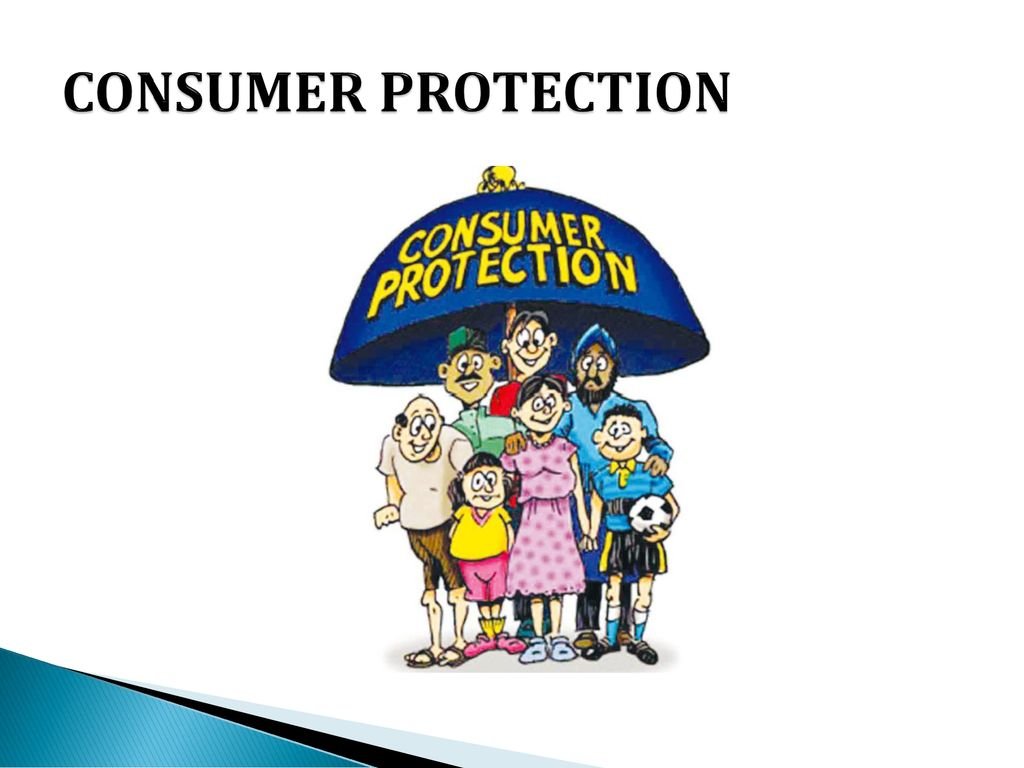
    Consumer protection agencies play a crucial role in ensuring buyers are treated fairly and protected from deceptive business practices, unsafe products, and fraud. These organizations are dedicated to maintaining the integrity of the marketplace and safeguarding the rights of consumers. This blog post explores the role of consumer protection agencies and how they contribute to a safer and fairer shopping experience for all buyers.

    1. Enforcing Consumer Protection Laws

    One of the primary responsibilities of consumer protection agencies is enforcing consumer protection laws. These laws are designed to protect consumers from misleading advertising, false claims, unsafe products, and fraudulent practices. Agencies like the Federal Trade Commission (FTC) in the United States, for example, monitor and enforce laws related to product safety, advertising, and privacy. They investigate complaints, take legal action when necessary, and ensure businesses comply with established standards.

    2. Addressing Consumer Complaints

    Consumer protection agencies provide an essential service by handling consumer complaints. Buyers who experience issues with products or services can file complaints with these agencies, which then investigate the matter and work to resolve the issue. Whether it involves defective products, deceptive marketing practices, or unresolved disputes with companies, consumer protection agencies act as intermediaries to ensure consumers’ voices are heard and their rights are upheld.

    3. Promoting Fair Business Practices

    Consumer protection agencies help ensure that businesses operate fairly and transparently. They set regulations for companies to follow, preventing fraudulent activities such as bait-and-switch tactics or false advertising. By promoting fair business practices, these agencies contribute to a level playing field where consumers can trust that the goods and services they purchase are safe and reliable.

    4. Educating Consumers

    Another significant role of consumer protection agencies is to educate the public on their rights as consumers. Many agencies offer resources and advice to help buyers understand the protections available to them. These resources may include guides on how to spot scams, what to do when a product is defective, and how to recognize signs of fraud. By providing this education, consumer protection agencies empower buyers to make informed decisions and avoid common pitfalls in the marketplace.

    5. Regulating Product Safety

    Consumer protection agencies also regulate product safety to ensure that goods sold to the public meet certain standards. For instance, in the U.S., the Consumer Product Safety Commission (CPSC) oversees the safety of thousands of consumer products, from toys to household appliances. They conduct product recalls when safety issues arise and work to remove hazardous products from the market. This regulation helps prevent injuries, illnesses, and even fatalities caused by unsafe products.

    6. Protecting Privacy and Data Security

    As the digital marketplace continues to grow, consumer protection agencies have taken on the important task of safeguarding personal information. Agencies like the European Union’s Information Commissioner’s Office (ICO) and the FTC ensure that businesses respect consumer privacy rights and comply with data protection laws. These agencies investigate data breaches, enforce privacy policies, and take action against companies that misuse personal information. By doing so, they help protect consumers’ privacy in the increasingly complex digital world.
    The Role of Consumer Protection Agencies in Safeguarding Buyers
    The Role of Consumer Protection Agencies in Safeguarding Buyers

    7. Promoting Access to Justice

    Consumer protection agencies also play a vital role in ensuring that consumers have access to justice when they encounter problems with businesses. In addition to providing mechanisms for dispute resolution, such as mediation or arbitration, agencies help consumers navigate the legal system. Some agencies also provide direct legal support or resources for consumers who wish to pursue lawsuits against companies that have violated their rights.

    8. Monitoring Emerging Market Trends

    Consumer protection agencies are constantly monitoring emerging market trends, including the rise of e-commerce, new product types, and changes in consumer behavior. This proactive approach allows agencies to adapt and develop regulations to address new issues that may arise. Whether it’s regulating online marketplaces or responding to the challenges of new technologies, consumer protection agencies work to keep up with the evolving marketplace and continue to protect consumers in changing times.

    9. Collaborating with Other Organizations

    Consumer protection agencies often collaborate with other organizations, including law enforcement, regulatory bodies, and non-profit organizations, to improve consumer protection efforts. This collaboration enables these agencies to pool resources, share information, and coordinate actions that better safeguard consumers. By working together, they can have a more significant impact in tackling widespread consumer protection challenges.

    Conclusion

    Consumer protection agencies are essential in ensuring that buyers can trust the products and services they purchase. Through law enforcement, complaint resolution, education, and advocacy, these agencies protect consumers from deceptive practices, unsafe products, and unfair treatment. They not only safeguard consumer rights but also contribute to creating a more transparent and fair marketplace. By understanding the role of these agencies, consumers can better protect themselves and take full advantage of the protections available to them.
  • What is Consumer Protection, and Why Does It Matter?

    What is Consumer Protection, and Why Does It Matter?

    Consumer protection refers to the set of laws, regulations, and practices designed to safeguard the rights of consumers and ensure fair treatment in the marketplace. It is a critical aspect of modern economies, as it helps protect individuals from unfair practices, fraud, and exploitation by businesses and service providers. Consumer protection is essential not only for maintaining consumer rights but also for promoting trust, fairness, and healthy competition in the marketplace. This article explores the importance of consumer protection, the key areas it covers, and why it matters to consumers, businesses, and society as a whole.

    What is Consumer Protection, and Why Does It Matter?
    What is Consumer Protection, and Why Does It Matter?

    What is Consumer Protection?

    Consumer protection refers to the efforts made by governments, regulatory bodies, and advocacy organizations to shield consumers from harmful, deceptive, or unfair business practices. These protections can take various forms, including:

    • Laws and regulations: Legal frameworks that define and protect consumers’ rights when purchasing goods and services.
    • Consumer rights education: Programs that inform consumers about their rights and help them make informed decisions.
    • Enforcement mechanisms: Agencies that monitor businesses, investigate complaints, and take legal action when businesses violate consumer rights.
    • Product safety standards: Regulations ensuring that products sold to consumers are safe, reliable, and meet specific quality standards.

    Consumer protection is not limited to one sector; it spans industries like retail, healthcare, finance, telecommunications, and more, covering a wide range of goods and services.

    Key Areas of Consumer Protection

    Product Safety and Quality

    One of the primary goals of consumer protection is ensuring that products sold to consumers are safe and meet quality standards. Governments regulate products to ensure that they do not pose any risk to health or safety. For example, regulations on food labeling, toy safety standards, and recall procedures for defective products are all critical to protecting consumers.

    Consumer Rights in Transactions

    Consumer protection laws ensure that individuals are treated fairly during transactions. This includes transparency in pricing, truthful advertising, and clear terms and conditions. Businesses are prohibited from engaging in deceptive practices, such as false advertising or hidden fees, to mislead consumers into making purchases.

    Protection from Fraud and Scams

    Fraud and scams are a significant threat to consumers, especially in the digital age. Consumer protection agencies work to prevent fraudulent activities, such as identity theft, credit card fraud, and online scams. Laws are in place to help consumers recognize, report, and recover from fraudulent activities.

    Privacy and Data Protection

    With the increasing reliance on digital platforms, protecting consumer privacy has become a major aspect of consumer protection. Governments enact data protection laws that regulate how companies collect, store, and use personal information.

    Fair Contracts and Agreements

    Consumer protection ensures that contracts are fair, clear, and balanced. It helps prevent businesses from using fine print or complicated terms that could exploit consumers. For example, laws on credit agreements, mortgage terms, and subscription services aim to protect consumers from unfair clauses and practices.

    Examples of Consumer Protection Laws and Agencies

    • Federal Trade Commission (FTC): The FTC enforces consumer protection laws related to advertising, business practices, and consumer rights. It investigates deceptive practices and can take action against companies that violate consumer protection regulations.
    • Food and Drug Administration (FDA): The FDA regulates the safety and labeling of food, drugs, and cosmetics, ensuring that these products do not harm consumers.
    • Consumer Financial Protection Bureau (CFPB): The CFPB works to protect consumers from unfair, deceptive, or abusive practices in the financial industry, including issues related to credit cards, mortgages, and student loans.
    • General Data Protection Regulation (GDPR): In the European Union, the GDPR sets a standard for how businesses handle and protect consumers’ personal data, ensuring privacy and data security.

    Conclusion

    Consumer protection is vital for maintaining fairness, safety, and transparency in the marketplace. It ensures that individuals are not exploited by businesses and that their rights are upheld when purchasing products and services. Effective consumer protection laws not only benefit consumers by providing security and confidence but also contribute to a more ethical, competitive, and thriving economy. Whether it’s safeguarding against fraud, ensuring product safety, or promoting informed decision-making, consumer protection plays a key role in the well-being of society and the economy.

  • How to Utilize Consumer Protection Agencies

    How to Utilize Consumer Protection Agencies

    Understanding how to utilize consumer protection agencies is vital for everyone. These organizations are designed to help consumers navigate issues with products or services. They ensure that your rights as a consumer are upheld and provide resources to help resolve disputes. In this article, we’ll give you ways to make the most of these agencies and protect your interests.

    1. Know Your Rights as a Consumer

    The first step in understanding how to utilize consumer protection agencies is knowing your rights. Every consumer has certain rights, including the right to safety, the right to be informed, and the right to choose. Familiarizing yourself with these rights can empower you to take action when you encounter problems. Agencies often provide resources that outline these rights, so be sure to check their websites for more information.

    How to Utilize Consumer Protection Agencies
    How to Utilize Consumer Protection Agencies

    2. Identify the Appropriate Agency

    When you face an issue, it is essential to identify the appropriate consumer protection agency. Different agencies handle various types of complaints. For instance, if you have a problem with a product, you may want to contact the Consumer Product Safety Commission. On the other hand, issues related to financial services might be best directed to the Consumer Financial Protection Bureau. Research which agency deals with your specific concern to ensure you get the right help.

    3. Gather Necessary Documentation

    Before contacting a consumer protection agency, gather all necessary documentation. This might include receipts, warranty information, and any correspondence related to your issue. Having this information readily available will help you present your case clearly. Detailed records will support your claim and increase the chances of a favorable outcome.

    4. File a Complaint Effectively

    Understanding how to utilize consumer protection agencies also involves knowing how to file a complaint effectively. Most agencies have online systems that allow you to submit your complaint. When filling out the complaint form, be sure to include all relevant details. Explain the situation clearly and provide any supporting documents. The more information you provide, the easier it will be for the agency to assist you.

    5. Be Patient but Persistent

    After filing your complaint, it is important to be patient but persistent. Agencies often receive numerous complaints, and it may take time for them to address yours. However, if you do not hear back within a reasonable timeframe, don’t hesitate to follow up. Politely inquire about the status of your complaint. Persistence can show that you are serious about resolving the issue.

    6. Utilize Resources and Educational Materials

    Many consumer protection agencies provide valuable resources and educational materials. These can include guides on understanding consumer rights, tips for avoiding scams, and information about specific products or services. By utilizing these resources, you can stay informed and make better decisions as a consumer. This knowledge can also help you prevent future issues.

    7. Participate in Consumer Advocacy

    Engaging in consumer advocacy is another way to utilize consumer protection agencies effectively. Many agencies welcome input from the public on consumer issues. By participating in surveys, public forums, or community events, you can help shape policies and improve consumer protections. Additionally, being involved can connect you with others who share similar concerns.

    8. Stay Informed About Changes in Consumer Laws

    Consumer protection laws can change, and staying informed is essential. Many agencies provide updates on changes in regulations and laws that affect consumers. By keeping up with this information, you can better understand your rights and how to exercise them. Subscribe to newsletters or follow agency social media channels to stay updated.

    9. Know When to Escalate Your Complaint

    Sometimes, a complaint may not be resolved to your satisfaction. Knowing when to escalate your complaint is crucial in utilizing consumer protection agencies effectively. If you believe your issue requires further attention, contact a higher-level representative or request mediation. Many agencies have procedures in place for escalating complaints, so don’t hesitate to ask for assistance.

    10. Provide Feedback on Your Experience

    After resolving your issue, consider providing feedback on your experience with the agency. Most consumer protection agencies appreciate hearing from consumers about their experiences. Your feedback can help improve their processes and services for future users. It also shows that you value their role in protecting consumer rights.

    Conclusion

    Utilizing consumer protection agencies effectively can help you navigate various challenges as a consumer. By understanding your rights, identifying the appropriate agency, and following the necessary steps, you can ensure that your concerns are addressed. Remember to stay informed and engaged in consumer advocacy, as this can lead to better protections for all consumers.

  • Top Consumer Protection Tips for Online Shopping

    Top Consumer Protection Tips for Online Shopping

    Online shopping offers convenience and a wide range of products, but it also comes with risks such as fraud, scams, and poor-quality goods. To make your shopping experience safe, it’s essential to take steps to protect yourself. Here are some consumer protection tips that can help you navigate the world of online shopping confidently.

    1. Shop from Trusted Websites

    One of the easiest ways to protect yourself is by shopping from well-known, reputable websites. Look for websites with a secure connection, indicated by “https://” in the URL, and check if the website has customer reviews and a clear return policy. Established online retailers are more likely to provide quality products and reliable customer service.

    2. Check for Secure Payment Methods

    Always use secure payment methods such as credit cards, PayPal, or other trusted online payment systems. These methods offer fraud protection and allow you to dispute charges if something goes wrong. Avoid direct bank transfers or payments via unsecured channels, as they may expose you to higher risks.

    3. Read Product Descriptions and Reviews

    Before making a purchase, carefully read the product description and reviews from other customers. Product reviews can provide valuable insight into the quality and reliability of the item. Be cautious of products with too many overly positive reviews or no reviews at all, as these may indicate fake or misleading feedback.

    4. Look for Contact Information

    Legitimate online stores should provide contact information, including a phone number or email address. If you cannot find any way to get in touch with the seller, it could be a red flag. Before purchasing, verify that the website has clear channels for customer service.

    5. Be Wary of Unbelievable Discounts

    While online stores often offer promotions and discounts, extremely low prices can sometimes signal a scam. If the deal sounds too good to be true, it probably is. Scammers often use these tactics to lure in unsuspecting buyers. Compare prices across multiple trusted retailers to ensure you’re getting a fair deal.

    6. Verify the Return and Refund Policy

    Ensure that the retailer has a clear return and refund policy. A reputable store will offer a straightforward process for returns if the product is defective or not as described. If the store doesn’t have a policy or is vague about returns, it’s best to shop elsewhere.

    7. Protect Your Personal Information

    Never share more personal information than necessary when making a purchase. Be cautious about providing unnecessary details such as your Social Security number, unless required for identity verification. Use strong, unique passwords for your online shopping accounts to further protect your data.

    Top Consumer Protection Tips for Online Shopping
    Top Consumer Protection Tips for Online Shopping

    8. Monitor Your Bank Statements

    After making an online purchase, regularly check your bank or credit card statements to ensure that no unauthorized charges appear. If you notice any discrepancies, report them to your bank or payment provider immediately. Prompt action can help mitigate further issues.

    9. Be Cautious with Emails and Ads

    Phishing scams are common in the online shopping world. Be careful when clicking on links in unsolicited emails or pop-up ads offering deals. Always verify the source before making any purchases and avoid clicking on suspicious links.

    10. Use Privacy Settings and VPNs

    To enhance your privacy, use privacy settings on websites and social media platforms to limit the information shared with retailers. You may also consider using a virtual private network (VPN) when shopping on public Wi-Fi to protect your personal data from hackers.

    Conclusion

    By following these consumer protection tips, you can enjoy a safer and more secure online shopping experience. Stay vigilant, choose reputable websites, and take steps to protect your personal and financial information. Remember, if something feels off, it’s always better to be cautious and avoid making a purchase. Safe shopping is informed shopping!

  • How to File a Consumer Complaint Successfully

    How to File a Consumer Complaint Successfully

    When you’ve purchased a product or service that doesn’t meet expectations, filing a consumer complaint is an important step toward seeking resolution. Understanding how to file a complaint effectively can increase your chances of a successful outcome. Here’s a guide on how to navigate the process.

    Step 1: Identify the Issue Clearly

    Before filing a complaint, it’s essential to clearly identify the issue. Whether the product is defective, the service was unsatisfactory, or there was a breach of contract, outlining the problem in detail will help you explain it effectively.

    Step 2: Gather Supporting Evidence

    Document everything related to the transaction. This includes receipts, order numbers, emails, photographs of defects, and any communication between you and the company. The more evidence you have, the stronger your complaint will be.

    Step 3: Understand Your Rights

    Know your rights as a consumer under the law. Depending on your location, consumer protection laws may provide specific avenues for resolving complaints. Being informed about these rights gives you confidence when dealing with businesses and regulatory bodies.

    Step 4: Contact the Business First

    Most complaints can be resolved by contacting the business directly. Reach out to the company’s customer service team, either by phone or through their website. Be clear, polite, and provide all relevant details about your issue. Some businesses offer a dedicated complaints process or support for resolving issues efficiently.

    Step 5: Escalate the Issue if Necessary

    If the initial contact doesn’t lead to a satisfactory resolution, you may need to escalate the complaint. Ask for a manager or higher authority to review the issue. Escalating the matter within the company shows that you’re serious about resolving the situation.

    How to File a Consumer Complaint Successfully
    How to File a Consumer Complaint Successfully

    Step 6: File a Formal Complaint with a Regulatory Body

    If the business is unresponsive or unwilling to resolve the issue, consider filing a complaint with a relevant regulatory body or consumer protection agency. These organizations can mediate disputes, investigate unfair practices, and ensure that businesses comply with consumer protection laws.

    Step 7: Be Persistent and Follow Up

    Stay persistent. If you haven’t received a response in a reasonable amount of time, follow up. Always maintain records of your communications and escalate the issue if necessary. Persistence often leads to better outcomes.

    Step 8: Know When to Take Legal Action

    If the complaint remains unresolved and the issue is significant, you may need to consider legal action. Consult a lawyer or seek advice from a consumer rights organization to understand your options. Some cases might be eligible for small claims court or other legal remedies.

    Conclusion

    Filing a consumer complaint doesn’t have to be difficult, but it requires patience, clear communication, and persistence. By following these steps, you increase your chances of achieving a satisfactory outcome. Understanding your rights, gathering evidence, and utilizing appropriate channels will empower you to effectively resolve your consumer complaints.

  • Practices for Understanding Billing Discrepancies

    Practices for Understanding Billing Discrepancies

    Understanding billing discrepancies is crucial for managing your finances effectively. Whether you are a consumer or a business, discrepancies in billing can lead to confusion and frustration. This article aims to provide you with practical practices for understanding billing discrepancies, ensuring that you can resolve issues quickly and efficiently.

    1. Review Your Bills Regularly

    One of the best practices for understanding billing discrepancies is to review your bills regularly. When you receive a bill, take the time to check every line item. Look for any charges that seem unusual or higher than expected. By reviewing your bills consistently, you can catch discrepancies early and address them before they become bigger issues.

    Understanding Billing Discrepancies
    Understanding Billing Discrepancies

    2. Keep Detailed Records

    Keeping detailed records of your payments and bills is essential when trying to understand billing discrepancies. Maintain a file that includes past bills, receipts, and any correspondence related to your account. This documentation serves as evidence when you need to dispute a charge. If you find an error, having your records organized will make it easier to prove your case.

    3. Contact Customer Service Promptly

    If you notice a billing discrepancy, it is important to contact customer service promptly. Reach out to the company and explain the issue clearly. Be sure to have your account information and relevant documents on hand. A quick response can help resolve the issue faster. The sooner you address the problem, the more likely you are to get a satisfactory resolution.

    4. Understand the Billing Cycle

    Understanding the billing cycle can also aid in recognizing discrepancies. Each service provider has a different billing cycle, which determines when bills are generated and payments are due. Familiarize yourself with your provider’s cycle to better anticipate when bills will arrive. This knowledge can help you identify any unexpected charges or changes in your billing amounts.

    5. Analyze Changes in Charges

    When dealing with billing discrepancies, it’s important to analyze any changes in charges. If your bill has increased, try to identify the reason behind the change. Did you use a different service? Were there any new fees introduced? Understanding these changes will help you determine if the charges are justified or if there is an error.

    6. Seek Clarification for Complex Charges

    Sometimes, bills can include complex charges that may be difficult to understand. If you encounter a charge that you cannot explain, don’t hesitate to seek clarification. Contact customer service and ask for a detailed explanation of the charge. Companies are usually willing to provide a breakdown of their charges to help you understand billing discrepancies better.

    7. Utilize Online Account Management Tools

    Many service providers offer online account management tools that allow you to track your billing history and current charges. Utilize these tools to monitor your account regularly. They can provide insights into your usage patterns and any changes in charges. By having easy access to your billing information, you can spot discrepancies more efficiently.

    8. Compare Bills Over Time

    Another effective strategy for understanding billing discrepancies is to compare bills over time. Look at your bills from previous months or years to identify patterns. This can help you spot irregularities and understand whether current charges are consistent with past billing. If you notice a significant change, it might indicate a discrepancy that needs to be addressed.

    9. Stay Informed About Policies and Fees

    Keeping yourself informed about the company’s policies and any associated fees is essential for understanding billing discrepancies. Familiarize yourself with the terms of service, including any fees that may apply. This knowledge will help you differentiate between legitimate charges and potential errors. When you know what to expect, you can better recognize discrepancies when they arise.

    10. Escalate the Issue When Necessary

    If you have tried everything and still cannot resolve a billing discrepancy, consider escalating the issue. Ask to speak with a supervisor or a higher-level representative. Sometimes, higher-level staff can provide additional insights or solutions that regular customer service representatives cannot. Don’t hesitate to push for a resolution if you feel that your concerns are not being adequately addressed.

    Conclusion

    Understanding billing discrepancies can be a challenging task, but with the right practices, you can effectively manage your finances and resolve issues promptly. By reviewing your bills regularly, keeping detailed records, and communicating with customer service, you can navigate discrepancies with confidence. Remember to stay informed about policies and utilize online tools to help you keep track of your billing. With these strategies, you can ensure that you always have a clear understanding of your bills.

  • The Impact of Consumer Protection Laws on Business Practices

    The Impact of Consumer Protection Laws on Business Practices

    Consumer protection laws are not just safeguards for buyers—they also significantly shape how businesses operate. By enforcing standards for transparency, fairness, and accountability, these laws influence business practices, fostering ethical behavior and long-term growth.

    Promoting Fair and Transparent Practices

    Consumer protection laws require businesses to engage in fair and transparent practices. This includes truthful advertising, clear pricing, and fair terms and conditions. These standards encourage businesses to prioritize integrity, which builds consumer trust and loyalty over time.

    Driving Innovation and Quality Improvement

    To comply with consumer protection regulations, businesses often innovate to improve product quality and service delivery. Examples include enhanced safety features and improved transparency. By adhering to these laws, businesses can differentiate themselves in a competitive market.

    The Impact of Consumer Protection Laws on Business Practices
    The Impact of Consumer Protection Laws on Business Practices

    Reducing Legal Risks

    Compliance with consumer protection laws minimizes the risk of lawsuits, penalties, and reputational damage. Businesses that adhere to these laws benefit from fewer legal disputes, lower financial penalties, and a stronger brand image.

    Building Stronger Customer Relationships

    Consumer protection laws empower buyers, which can lead to stronger relationships between businesses and their customers. Ethical practices build trust, increase repeat business, and generate positive feedback.

    Consequences of Non-Compliance

    Failing to adhere to consumer protection laws can result in financial losses, reputation damage, and operational disruptions. These risks highlight the importance of integrating compliance into everyday operations.

    Encouraging Long-Term Thinking

    Consumer protection laws encourage businesses to think long-term by fostering sustainable growth strategies. Companies that value compliance build resilient systems, gain competitive advantage, and attract ethical consumers.

    Support for Businesses in Compliance

    Governments and advocacy groups support businesses in understanding and implementing consumer protection standards through training programs, clear guidelines, and consumer feedback channels.

    Conclusion

    Consumer protection laws shape business practices in profound ways, fostering a marketplace that values transparency, accountability, and fairness. For businesses, compliance is more than a legal obligation—it’s a pathway to sustainable growth, improved customer relationships, and a stronger competitive position. By embracing these laws, companies not only protect their interests but also contribute to a fair and thriving economy

  • Dealing with Unresponsive Businesses

    Dealing with Unresponsive Businesses

    Dealing with unresponsive businesses can be incredibly frustrating. Whether you’re trying to get support for a product, follow up on a service, or simply ask a question, waiting for a response can feel like a never-ending ordeal. In this article, we’ll share tips for dealing with unresponsive businesses so you can achieve the results you need.

    1. Know Your Rights as a Consumer

    When dealing with unresponsive businesses, it’s essential to know your rights. As a consumer, you have the right to receive timely responses to inquiries and concerns. Familiarize yourself with consumer protection laws in your area. This knowledge will empower you when you need to take action. If a business continues to ignore you, knowing your rights can help you navigate the situation more effectively.

    Dealing with Unresponsive Businesses
    Dealing with Unresponsive Businesses

    2. Use Multiple Communication Channels

    Sometimes, businesses can be unresponsive because they are overwhelmed by inquiries. To increase your chances of getting a response, try using multiple communication channels. If you emailed a company, consider calling them or reaching out via social media. Different platforms may yield different results. By diversifying your approach, you increase the likelihood of receiving a timely response.

    3. Be Clear and Concise in Your Communication

    When reaching out to a business, clarity is key. Be clear and concise in your messages. State your issue directly and provide any relevant details, such as order numbers or account information. Avoid long-winded explanations that may confuse the recipient. By being straightforward, you make it easier for the business to understand your needs and respond accordingly.

    4. Set a Deadline for Response

    If you find yourself dealing with unresponsive businesses, consider setting a deadline for their response. Politely mention in your communication that you would appreciate a reply by a specific date. This approach adds a sense of urgency to your request and may motivate the business to act more quickly. However, ensure that your tone remains professional and courteous.

    5. Follow Up Regularly

    Persistence is crucial when dealing with unresponsive businesses. If you don’t hear back after your initial inquiry, don’t hesitate to follow up. Wait a few days to a week, then send a brief follow-up message. This shows the business that you are serious about getting a response. Regular follow-ups can remind them of your request and encourage them to address it.

    6. Use Social Media to Your Advantage

    Social media can be a powerful tool when dealing with unresponsive businesses. Many companies monitor their social media accounts closely, as they want to maintain a positive public image. If you’re not receiving a response through traditional channels, try reaching out via platforms like Twitter or Facebook. Be polite, but don’t hesitate to express your frustration if necessary. Public visibility can sometimes prompt a quicker response.

    7. Escalate the Issue When Necessary

    If you’ve tried multiple methods and still face unresponsiveness, it may be time to escalate the issue. Look for contact information for a manager or supervisor within the company. Politely express your concerns and share your previous attempts to resolve the issue. Escalating the situation can often lead to quicker resolutions, as higher-level staff may take your concerns more seriously.

    8. Document Everything

    When dealing with unresponsive businesses, it’s important to keep a record of all your communications. Document the dates and content of your messages, as well as any responses you receive. This documentation can be useful if you need to escalate the issue or involve third parties, such as consumer protection agencies. Having a detailed record strengthens your case and demonstrates your persistence.

    9. Consider Leaving a Review

    If a business remains unresponsive after several attempts to reach out, consider leaving a review on public platforms like Google or Yelp. Share your experience honestly and mention the lack of response. Many businesses monitor their online reviews and may reach out to you to address the situation. While it’s important to remain professional in your review, honest feedback can motivate the company to improve their customer service.

    10. Explore Consumer Protection Options

    If all else fails and you continue to deal with unresponsive businesses, consider exploring consumer protection options. Many regions have consumer protection agencies that can help resolve disputes between consumers and businesses. You can file a complaint and seek assistance in resolving the issue. This step not only helps you but can also encourage businesses to improve their responsiveness in the future.

    Conclusion

    Dealing with unresponsive businesses can be a challenging experience, but you don’t have to suffer in silence. By knowing your rights, using multiple communication channels, and remaining persistent, you can increase your chances of getting the responses you need. Remember to stay professional and document your interactions. With these strategies, you can navigate the frustrating world of unresponsive businesses with confidence.

  • Consumer Protection Laws Safeguard Against False Advertising

    Consumer Protection Laws Safeguard Against False Advertising

    False advertising misleads consumers with deceptive claims about products or services. From exaggerated benefits to hidden terms, such practices erode trust and harm buyers. Consumer protection laws exist to safeguard individuals from these dishonest tactics and hold businesses accountable. This article explains how these laws protect against false advertising and promote ethical commerce.

    What Is False Advertising?

    False advertising involves promoting a product or service with misleading, untrue, or incomplete information. Common examples include:

    • Bait-and-Switch Tactics: Advertising a product at an attractive price but pressuring customers to buy a more expensive alternative.
    • Exaggerated Claims: Overstating a product’s effectiveness or benefits.
    • Omitting Key Details: Failing to disclose conditions, fees, or limitations.

    Key Consumer Protection Laws

    Federal Trade Commission (FTC) Act
    The FTC enforces laws prohibiting deceptive or unfair practices in commerce. It requires advertisements to be truthful, substantiated, and not misleading. Violations can result in penalties, including fines or injunctions.

    State-Level Consumer Protection Laws
    Many states have their own laws addressing false advertising, such as “little FTC Acts.” These laws provide additional avenues for consumers to seek redress.

    Lanham Act
    This federal law allows businesses to sue competitors for false advertising that causes unfair competition. It helps ensure fair market practices.

    Consumer Protection Laws Safeguard Against False Advertising
    Consumer Protection Laws Safeguard Against False Advertising

    How Consumer Protection Laws Work

    Regulating Advertising Content
    Laws mandate that advertisements include accurate information about a product’s price, features, and performance. Claims must be backed by evidence, especially for health, safety, or performance-related products.

    Protecting Vulnerable Groups
    Special rules apply to ads targeting children, the elderly, or other vulnerable groups, ensuring that companies cannot exploit these audiences.

    Penalizing Violations
    Regulatory agencies like the FTC investigate complaints and impose penalties on violators. Businesses may be required to pay fines, offer refunds, or run corrective advertising.

    Encouraging Transparency
    Laws promote transparency by requiring businesses to disclose all terms, conditions, and additional costs upfront.

    How Consumers Are Protected

    Right to Accurate Information
    Consumers have the right to make informed decisions based on truthful advertising. Laws ensure that businesses provide honest descriptions of their products or services.

    Compensation for Damages
    Victims of false advertising can file lawsuits seeking refunds, damages, or other remedies.

    Preventing Repeat Offenses
    Regulators monitor businesses for compliance, ensuring that offenders do not continue deceptive practices.

    Steps to Take If You Encounter False Advertising

    1. Document Evidence: Save copies of the ad, receipts, and any communication with the business.
    2. File a Complaint: Report the issue to agencies like the FTC, Better Business Bureau (BBB), or state consumer protection offices.
    3. Seek Legal Help: Consult a lawyer if you experience significant losses or require further action.

    The Role of Advocacy and Education

    Consumer advocacy groups educate the public about identifying and reporting false advertising. They also work with regulators to strengthen protections and push for policy changes.

    The Benefits of Combating False Advertising

    For Consumers

    • Builds trust in the marketplace.
    • Reduces financial loss and frustration.
    • Ensures access to fair and transparent trade practices.

    For Businesses

    • Promotes fair competition.
    • Improves brand reputation by adhering to ethical advertising standards.

    Conclusion

    False advertising undermines consumer trust and disrupts fair trade. By enforcing consumer protection laws, regulators and advocacy groups ensure businesses uphold honesty and accountability. Consumers, too, play a role by reporting deceptive practices and supporting ethical companies. Together, these efforts create a marketplace built on fairness and transparency.

  • The Role of Lawyers in Consumer Protection Cases

    The Role of Lawyers in Consumer Protection Cases

    Consumer protection laws are designed to ensure fair trade practices, protect against fraud, and uphold consumer rights. However, navigating these laws can be challenging. Lawyers specializing in consumer protection play a crucial role in advocating for individuals who experience deceptive or unfair practices. This article explores how lawyers assist in such cases and why their expertise is invaluable.

    Understanding Consumer Protection Cases

    Consumer protection cases often arise from issues like false advertising, defective products, breach of warranty, identity theft, or unfair business practices. These cases aim to hold companies accountable and secure compensation or remedies for the affected consumers.

    The Role of Lawyers in Consumer Protection Cases
    The Role of Lawyers in Consumer Protection Cases

    How Lawyers Help in Consumer Protection Cases

    Legal Guidance
    Lawyers help clients understand their rights under consumer protection laws. They assess whether a violation has occurred and outline potential legal actions.

    Gathering Evidence
    Evidence is critical in consumer protection cases. Lawyers collect purchase receipts, warranties, contracts, advertisements, and any communication with the seller or manufacturer to build a strong case.

    Filing Complaints
    Lawyers assist in filing complaints with consumer protection agencies, such as the Federal Trade Commission (FTC) or state consumer protection offices. These complaints can lead to investigations or settlements.

    Negotiating Settlements
    In many cases, lawyers negotiate with companies to reach settlements outside court. They aim to secure refunds, replacements, or monetary compensation for their clients.

    Litigation Representation
    If negotiations fail, lawyers represent clients in court. They prepare legal documents, present evidence, and advocate for fair compensation or corrective actions.

    Class Action Lawsuits
    For widespread issues affecting multiple consumers, lawyers may file class action lawsuits. This approach pools resources and addresses systemic problems more effectively.

    Why Legal Expertise Matters

    Consumer protection laws vary by jurisdiction and can be complex. Lawyers bring the expertise needed to interpret these laws, identify violations, and choose the best course of action. They also help consumers avoid pitfalls like signing unfavorable agreements.

    Common Challenges in Consumer Protection Cases

    • Proving Misrepresentation: Demonstrating that a company deliberately misled consumers can be difficult.
    • Statute of Limitations: Many cases have strict deadlines for filing claims.
    • Corporate Defense Teams: Companies often employ experienced lawyers to dispute claims, making legal representation essential for consumers.

    The Role of Consumer Advocacy Groups

    Lawyers often collaborate with consumer advocacy groups to amplify their clients’ cases. These groups raise awareness, support legal action, and push for policy changes to strengthen consumer protections.

    Case Examples

    1. Product Liability: Lawyers secured compensation for consumers injured by defective products.
    2. Data Breach Cases: Lawyers helped victims of identity theft hold companies accountable for inadequate data security measures.

    Conclusion

    Lawyers are vital in ensuring justice and fairness in consumer protection cases. They offer expertise, represent clients in disputes, and advocate for stronger consumer rights. If you face unfair practices, consulting a lawyer can help you navigate the complexities of consumer protection laws and secure the remedies you deserve.